

A Complete Guide to Healthy Walking
Walking remains one of the simplest, safest, and most effective forms of exercise and in 2026, it is more relevant than ever. With rising sedentary lifestyles driven by screen time, remote work, and automation, health experts worldwide continue to recommend walking as a foundational habit for improving physical and mental wellbeing. Whether you are just starting your fitness journey or looking for a sustainable daily routine, walking offers a low-impact way to stay active while delivering long-term health benefits.
Recent research continues to highlight how regular walking can reduce the risk of chronic diseases, improve brain function, and even extend lifespan. Studies suggest that consistent daily movement even as little as 30 minutes of walking can significantly improve cardiovascular health, reduce stress levels, and support healthy ageing. Best of all, walking requires no expensive equipment and can be done almost anywhere.
What Is Healthy Walking?
Healthy walking refers to walking with purpose, consistency, and proper technique to improve overall fitness. It can range from relaxed strolling to brisk walking or more advanced forms like power walking. Unlike high-intensity workouts, walking is accessible to people of all ages and fitness levels, making it one of the most sustainable long-term health habits.
Incorporating walking into your daily routine whether outdoors, on a treadmill, or during breaks can contribute to better physical, mental, and emotional health.
 Key Health Benefits of Walking
- Improves heart health: Regular walking helps lower blood pressure, improve circulation, and reduce the risk of heart disease and stroke.
- Supports weight management: Walking burns calories and helps maintain a healthy metabolism.
- Reduces risk of chronic diseases: Linked to lower risk of type 2 diabetes, certain cancers, and cardiovascular conditions.
- Boosts mental health: Walking reduces stress, anxiety, and symptoms of depression.
- Strengthens bones and muscles: Helps slow bone density loss and improves joint mobility.
- Enhances lung capacity and endurance: Improves breathing efficiency over time.
- Increases lifespan: Studies suggest regular physical activity like walking can add years to life expectancy.
Walking and Brain Health
Research has shown that walking plays a crucial role in maintaining cognitive function, particularly in older adults. Regular brisk walking improves blood circulation to the brain, delivering oxygen and essential nutrients that support memory and mental clarity.
Studies have also linked walking with a reduced risk of cognitive decline and conditions such as dementia and Alzheimer’s disease. Improved blood flow helps remove metabolic waste from the brain, contributing to long-term neurological health.
Walking and Stress Relief
Walking is not just beneficial for physical health it is also one of the most effective natural stress relievers. Walking outdoors, especially in parks or natural environments, has been shown to lower cortisol levels (the stress hormone) and improve mood.
- Helps reduce anxiety and tension
- Promotes better sleep quality
- Improves focus and productivity
- Boosts overall mood and emotional wellbeing
Types of Walking
There are different types of walking depending on your fitness level and goals:
Strolling
A relaxed and natural pace with minimal effort. Ideal for beginners, recovery days, or light daily activity.
Brisk Walking
A faster pace that raises your heart rate and breathing. This is the most recommended type for general fitness and health improvement.
Power Walking
A more intense form of walking that may involve arm movement, added weights, or faster speed to increase calorie burn and muscle engagement.
How Much Walking Do You Need?
- At least 30 minutes per day for general health benefits
- Aim for 7,000–10,000 steps daily (modern benchmark replacing the old 10,000-only rule)
- Even short walks (10–15 minutes) throughout the day can add up
- Consistency is more important than intensity
Recent Insights and Trends
In recent years, walking has gained renewed popularity as part of global wellness trends. Wearable fitness trackers, step-count challenges, and workplace wellness programs have encouraged more people to stay active. Walking meetings, “hot girl walks,” and mindful walking routines have also emerged as lifestyle trends, combining physical activity with mental wellbeing.
Health organisations now emphasise that “movement throughout the day” is just as important as structured exercise. This means walking more frequently even in short bursts can significantly improve overall health outcomes.
Practical Walking Tips
- Walk during cooler parts of the day, such as early morning or late afternoon
- Stay hydrated before, during, and after walking
- Wear comfortable, supportive shoes to prevent injury
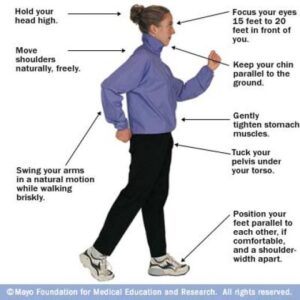
- Maintain good posture with relaxed shoulders and steady arm movement
- Start slow and gradually increase speed and distance
- Set realistic goals to stay motivated
- Use a fitness tracker or app to monitor progress
Final Thoughts and Useful Advice
Walking is one of the most underrated yet powerful habits you can build for long-term health. It requires no gym membership, no complex routines, and minimal risk of injury, making it accessible to almost everyone. Whether your goal is to improve fitness, reduce stress, or simply stay active, walking consistently can deliver real and lasting benefits.
The key is to make walking part of your daily lifestyle rather than a one-off activity. Start with small, achievable goals, stay consistent, and gradually build your routine. Over time, these simple steps can lead to better health, improved mood, and a higher quality of life.