
Climate, Wildlife, People & Modern Challenges
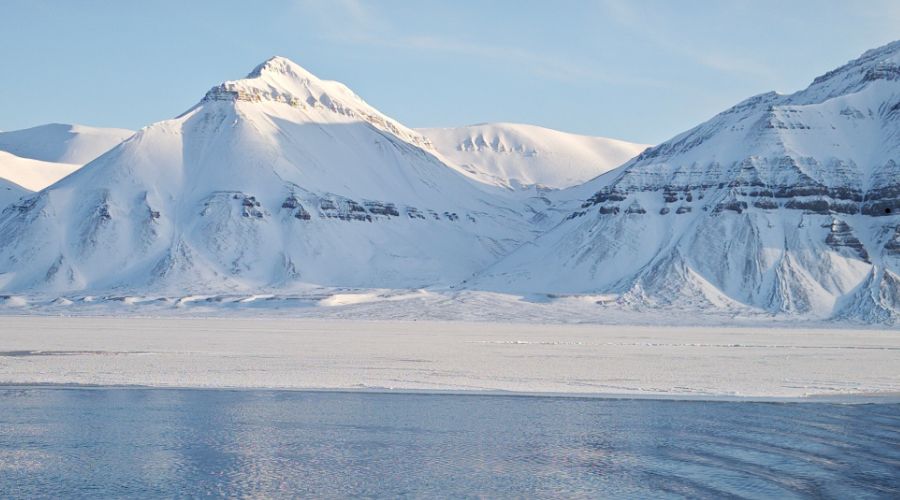
The Arctic is one of the most extreme and fascinating regions on Earth, located around the northernmost part of the planet above the Arctic Circle (66.5° North latitude). Known for its vast ice-covered landscapes, freezing temperatures, and unique ecosystems, the Arctic continues to capture global attention not only for its natural beauty but also for its critical role in the Earth’s climate system. In 2026, the Arctic is at the centre of scientific research, environmental concern, and growing global interest.
Stretching across parts of Canada, the United States (Alaska), Norway, Sweden, Finland, Russia, Greenland, and Iceland, as well as the Arctic Ocean, this region is far from lifeless. Despite harsh conditions, it supports a surprisingly rich and diverse ecosystem, along with Indigenous communities who have adapted to life in this environment for thousands of years.
Where Is the Arctic?
The Arctic includes all regions north of the Arctic Circle and is defined by its cold climate, sea ice, and unique seasonal patterns.
- Covers parts of North America, Europe, and Asia
- Includes the Arctic Ocean and surrounding land areas
- Home to tundra landscapes with little to no trees
- Characterised by permafrost (permanently frozen ground)
Climate and Weather in the Arctic
The Arctic climate is known for its long, extremely cold winters and short, cool summers. Temperatures and conditions vary depending on location, but the environment remains one of the harshest on Earth.
- Winter temperatures: Often drop below -30°C, with extremes reaching below -50°C in some areas
- Summer temperatures: Typically range from 0°C to 10°C
- Precipitation: Low overall, mostly in the form of snow
- Strong winds: Increase the severity of cold conditions
One of the most unique features of the Arctic is its seasonal light cycle:
- Midnight Sun: Continuous daylight during summer months
- Polar Night: Extended darkness during winter months
Wildlife and Ecosystem
Despite its icy reputation, the Arctic is home to a wide range of wildlife specially adapted to survive extreme cold.
- Polar bears, Arctic foxes, and reindeer
- Marine life such as seals, whales, and walruses
- Bird species including puffins and migratory seabirds
- Microscopic organisms that support the food chain
The Arctic ecosystem is delicate and highly sensitive to environmental changes, making conservation efforts essential.
Indigenous Communities and Arctic Life
The Arctic has been inhabited for thousands of years by Indigenous peoples, including the Inuit, Sámi, and other northern communities. These groups have developed deep knowledge of the land, sea, and climate.
- Traditional practices include hunting, fishing, and reindeer herding
- Use of dog sleds and snowmobiles for transportation
- Homes often located near coastal or river areas for access to food
- Strong cultural traditions and connection to nature
Today, many communities combine traditional lifestyles with modern technology while maintaining their cultural identity.
Modern Challenges in the Arctic
The Arctic is experiencing rapid environmental change due to global warming. It is warming faster than most other regions on Earth, leading to significant impacts:
- Melting sea ice: Reducing habitats for wildlife
- Thawing permafrost: Releasing greenhouse gases like methane
- Rising sea levels: Affecting coastal communities globally
- Ecosystem disruption: Changing migration and survival patterns
Methane release from thawing Arctic permafrost is a major concern, as it is a powerful greenhouse gas that can accelerate climate change.
Natural Resources and Economic Interest
The Arctic is rich in natural resources, including oil, gas, minerals, and rare earth elements. As ice melts, access to these resources is becoming easier, leading to increased global interest.
- Oil and gas exploration in Arctic regions
- Mining for minerals and diamonds
- New shipping routes opening due to melting ice
However, these opportunities also raise concerns about environmental protection and sustainability.
Tourism in the Arctic
Despite its harsh climate, Arctic tourism has grown in popularity. Travellers are drawn to its unique landscapes and natural phenomena.
- Northern Lights (Aurora Borealis)
- Icebergs and glaciers
- Wildlife viewing experiences
- Adventure travel such as dog sledding and ice trekking
Eco-tourism is becoming increasingly important to ensure that tourism does not harm the fragile environment.
Recent Insights and Developments (2026)
Scientific research in the Arctic has intensified, with global organisations closely monitoring climate trends, ice loss, and environmental changes. Advances in satellite technology and climate modelling are helping researchers better understand how the Arctic influences global weather patterns.
International cooperation is also increasing, as countries recognise the importance of protecting the Arctic while managing its resources responsibly.
Last Say…
Life in the Arctic is a remarkable example of resilience both for the people who live there and the wildlife that thrives in extreme conditions. While the region offers stunning beauty and valuable resources, it also faces serious environmental challenges that impact the entire planet.
Understanding the Arctic is not just about exploring a remote part of the world it is about recognising its vital role in Earth’s climate system. Protecting this fragile region is essential for the future of both local communities and the global environment.