

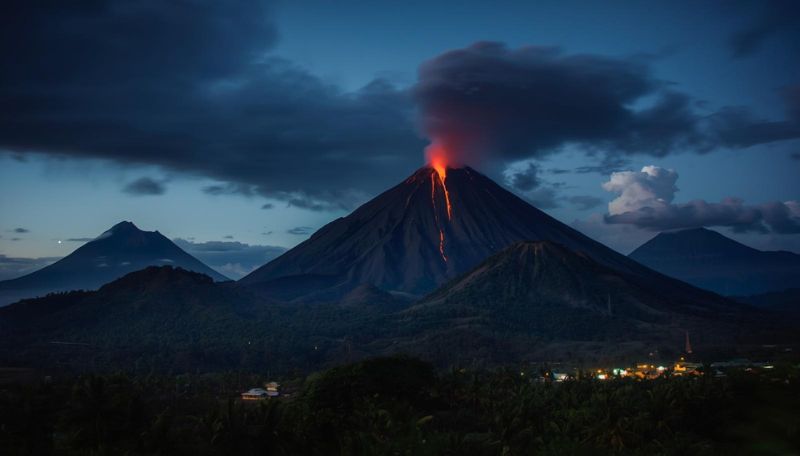
Facts About Mayon Volcano: Location, History, Eruptions & Latest News
Mayon Volcano is one of the most iconic and active volcanoes in the world, famous for its near-perfect cone shape and powerful eruptions. Located in the province of Albay in the Philippines, Mayon stands at approximately 2,463 meters and is considered the most active volcano in the country. Known as a natural wonder and a dangerous geological force, Mayon has recorded over 50 eruptions since the early 1600s, making it a constant focus of scientific monitoring and public attention.
In 2026, Mayon Volcano continues to show signs of activity, with ongoing eruptions, lava flows, and evacuations affecting thousands of residents. Despite the risks, it remains a major tourist attraction, drawing visitors from around the world who are fascinated by its beauty and power.
Where Is Mayon Volcano?
Mayon Volcano is located in the Bicol Region of Luzon, Philippines, specifically in the province of Albay. It is surrounded by several cities and towns, including Legazpi, Daraga, Camalig, and Tabaco.
- Region: Bicol, Philippines
- Elevation: ~2,463 meters
- Type: Stratovolcano
- Nearby population: Over 1.4 million people in Albay province
The volcano sits about 10 kilometers from the coast and is part of the Mayon Volcano Natural Park, a protected area and UNESCO Biosphere Reserve.
Interesting Facts About Mayon Volcano
- 1. Known for its “Perfect Cone”
Mayon is widely regarded as the most symmetrical volcano in the world, making it one of the most photographed natural landmarks in Asia. - 2. Most Active Volcano in the Philippines
It has erupted more than 50 times since 1616, with activity ranging from mild lava flows to explosive eruptions. - 3. A Sacred Landmark
Mayon holds cultural significance in Filipino mythology and is considered sacred by locals. - 4. A Major Tourism Driver
Despite its danger, Mayon attracts thousands of tourists annually due to its scenic beauty and adventure opportunities. - 5. Part of a Protected Natural Park
The surrounding area is designated as a natural park and biosphere reserve, highlighting its ecological importance.
History of Mayon Volcano
The earliest recorded eruption of Mayon Volcano dates back to 1616. One of the most devastating eruptions occurred in 1814, destroying entire towns and killing over 1,000 people. Since then, Mayon has continued to erupt periodically, shaping both the landscape and the lives of nearby communities.
- 1616 – First recorded eruption
- 1814 – Deadly eruption destroying Cagsawa town
- 2018 – Major eruption with mass evacuations
- 2026 – Ongoing eruptive activity with lava flows and ashfall
Population Around Mayon
Mayon Volcano is surrounded by densely populated communities. Thousands of families live within its hazard zones due to economic dependence on farming and tourism.
- Over 100,000 people affected by recent activity in 2026
- Thousands of families periodically evacuated during eruptions
- Many residents rely on agriculture and local tourism for income
Despite the risks, communities continue to live near the volcano due to fertile soil and livelihood opportunities.
Why Tourists Visit Mayon Volcano
Mayon Volcano is one of the Philippines’ top tourist attractions due to its unique combination of beauty and adventure.
- Perfect cone shape ideal for photography
- ATV rides and adventure tours around lava trails
- Scenic views from nearby hills and parks
- Hot springs and natural landscapes
- Cultural and historical landmarks like Cagsawa Ruins
In 2026, tourism in Albay continues to grow even during volcanic activity with thousands of visitors recorded weekly in certain areas.
Some reports indicate increased tourist arrivals during eruptions, as visitors are drawn to witness the glowing lava flows and dramatic scenery.
Current Eruption & Latest News (2026)
Mayon Volcano remains under Alert Level 3, indicating high volcanic unrest. Since early 2026, the volcano has shown continuous activity, including lava flows, rockfalls, and pyroclastic flows.
- More than 1,500 families evacuated due to eruption risks
- Ashfall affected over 80 villages in recent activity
- Over 100,000 people impacted by ongoing unrest
- Thousands of volcanic earthquakes recorded in 2026 monitoring data
Authorities have established a 6-kilometer danger zone where entry is strictly prohibited due to the risk of sudden eruptions and lava flows.
What to Expect When Visiting Mayon
- Strict safety regulations depending on alert level
- Limited access to areas near the crater
- Best views from safe viewing spots like Legazpi and Daraga
- Possible ashfall and air quality concerns during eruptions
- Tourism activities allowed only outside danger zones
Visitors are advised to check official updates and follow local safety guidelines before traveling.
Useful Insights
- Volcanic soil around Mayon is highly fertile, supporting agriculture
- Monitoring is conducted by PHIVOLCS using advanced technology
- Mayon’s activity is closely linked to tectonic movements in the region
- Tourism and disaster preparedness must be carefully balanced
Frequently Asked Questions (FAQ)
Is Mayon Volcano still active?
Yes, it is the most active volcano in the Philippines and continues to show activity in 2026.
Is it safe to visit Mayon Volcano?
Yes, but only in designated safe areas outside the danger zone and when authorities allow it.
Why is Mayon Volcano famous?
It is known for its near-perfect cone shape and frequent eruptions.
How many times has Mayon erupted?
It has erupted more than 50 times since 1616.
What causes Mayon’s eruptions?
Its eruptions are caused by tectonic activity and magma movement beneath the Earth’s crust.
Final Thoughts
Mayon Volcano is a remarkable blend of natural beauty and powerful geological activity. While it offers breathtaking views and attracts tourists from around the world, it also serves as a reminder of nature’s unpredictability.
Understanding its history, current activity, and risks is essential for both visitors and residents. As monitoring continues and tourism grows, Mayon remains one of the most fascinating and closely watched volcanoes on Earth.