

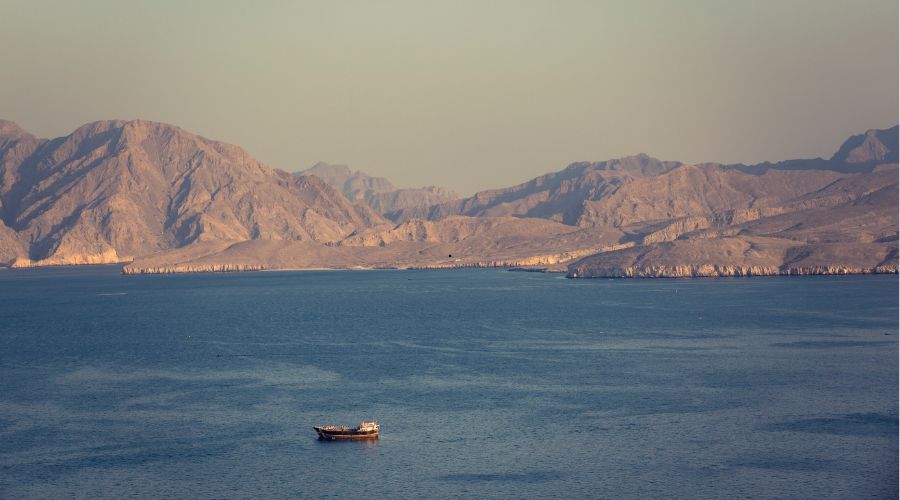
The Strait of Hormuz is one of the most strategically important waterways in the world. Located between Iran and Oman, this narrow passage connects the Persian Gulf to the Arabian Sea and serves as a critical route for global energy supply. Today, nearly 20% of the world’s oil passes through this strait, making it one of the most important “chokepoints” in international trade.
In 2026, the Strait of Hormuz is at the center of global attention due to escalating tensions between the United States and Iran. Recent military conflicts, naval blockades, and threats to close the strait have disrupted global shipping, increased oil prices, and raised concerns about energy security worldwide. What happens in this narrow waterway can have a direct impact on economies across the globe.
What Is the Strait of Hormuz?
The Strait of Hormuz is a narrow waterway approximately 34 km (21 miles) wide at its narrowest point. It serves as the only sea passage from the Persian Gulf to the open ocean.
- Connects major oil-producing countries to global markets
- Handles millions of barrels of oil daily
- Critical for LNG (liquefied natural gas) exports
- Key shipping route for Asia, Europe, and beyond
Because of its geography, even small disruptions can have massive global consequences.
Interesting Facts About the Strait of Hormuz
- 1. It is the world’s most important oil chokepoint
Nearly one-fifth of global oil consumption passes through the strait daily, making it vital for global energy markets. - 2. Shipping lanes are extremely narrow
The strait has designated shipping lanes just a few kilometers wide in each direction, making navigation highly sensitive and vulnerable. - 3. It influences global prices instantly
Any disruption in the strait often leads to immediate spikes in oil prices and economic uncertainty worldwide. - 4. It is rich in more than just oil
The region also supports global fertilizer exports and natural gas supply, impacting agriculture and food production globally. - 5. It has been a conflict zone for centuries
Control of the strait dates back to the 1500s when Portugal seized it to control trade routes between Asia and Europe.
History of the Strait of Hormuz
The Strait of Hormuz has long been a strategic and contested region due to its importance in global trade.
- 1507: Portuguese forces captured the strait and controlled trade routes
- 20th century: Oil discovery transformed its global importance
- 1980s: “Tanker War” during the Iran-Iraq conflict
- 2000s–2020s: Repeated tensions between Iran and Western nations
- 2026: Major escalation involving the U.S., Iran, and regional conflicts
Over time, the strait has evolved from a trade route for spices and goods into the backbone of the global energy economy.
Current Events: U.S. and Iran Tensions (2026)
In 2026, the Strait of Hormuz became a central flashpoint in a major geopolitical conflict involving the United States and Iran. Following military strikes and escalating tensions, Iran moved to disrupt shipping through the strait, while the U.S. responded with naval operations and blockades.
- Shipping traffic dropped significantly due to safety concerns
- Naval mines and military threats increased risks for vessels
- Oil prices surged above $100 per barrel during peak tensions
- Global supply chains, including food and fertilizer, were disrupted
At one point, the strait saw a dramatic reduction in tanker traffic, with some reports indicating a drop of over 90% due to conflict-related risks.
The situation remains fragile, with ongoing negotiations, military presence, and global efforts to stabilize the region.
Why the Strait of Hormuz Matters Globally
- Controls a major portion of global oil and gas supply
- Impacts global energy prices and inflation
- Influences geopolitical stability in the Middle East
- Critical for global trade and food supply chains
Even a temporary closure can trigger economic ripple effects worldwide, affecting everything from fuel prices to food production.
Useful Insights
- Countries are exploring alternative routes to reduce reliance on the strait
- Energy diversification is becoming a global priority
- Military presence in the region continues to grow
- The strait remains a key leverage point in international politics
Frequently Asked Questions (FAQ)
Why is the Strait of Hormuz so important?
It is one of the world’s main routes for transporting oil and gas, making it essential for global energy supply.
Can the Strait of Hormuz be closed?
Yes, but closing it would have severe global economic consequences and could lead to military escalation.
Who controls the Strait of Hormuz?
It lies between Iran and Oman, but international shipping is protected under global maritime laws.
What happens if the strait is blocked?
Oil prices would spike, global supply chains would be disrupted, and economic instability could increase worldwide.
Is the conflict between the U.S. and Iran ongoing?
As of 2026, tensions remain high, with ongoing negotiations and military presence in the region.
Final Thoughts
The Strait of Hormuz is more than just a narrow waterway it is a critical artery of the global economy. Its strategic importance, combined with ongoing geopolitical tensions, makes it one of the most closely watched regions in the world.
Understanding the role of the Strait of Hormuz helps explain how global energy markets, political conflicts, and economic stability are deeply interconnected. As the world continues to evolve, this small stretch of water will remain a key player on the global stage.